
Sep 19, 2024
Exploring the Benefits of Buying Off-Plan Real Estate in Thriving Cities
In today’s fast-paced real estate markets, savvy investors and homebuyers are always looking for opportunities that offer both financial growth and lifestyle benefits. One increasingly popular approach is buying off-plan real estate—investing in properties before they are fully constructed. In thriving cities with high demand and limited space, this strategy presents a unique chance to get ahead of the curve. Whether looking for a prime location or hoping to maximize your return on investment, purchasing off-plan properties offers several compelling advantages that make it a smart move for the future.
Lower Initial Costs
Off-plan properties typically require a smaller upfront financial commitment than purchasing completed real estate. Buyers are generally required to pay a deposit, often less than what would be needed for a traditional down payment on a finished property. This is particularly true for new apartments for sale in Downtown Toronto, where getting in early can save significantly compared to the post-completion market rate. Additionally, since the remaining balance is paid closer to the property’s completion date, this extended payment timeline allows buyers to better manage their finances and save more money before the final payment is due.
Potential for Higher Return on Investment
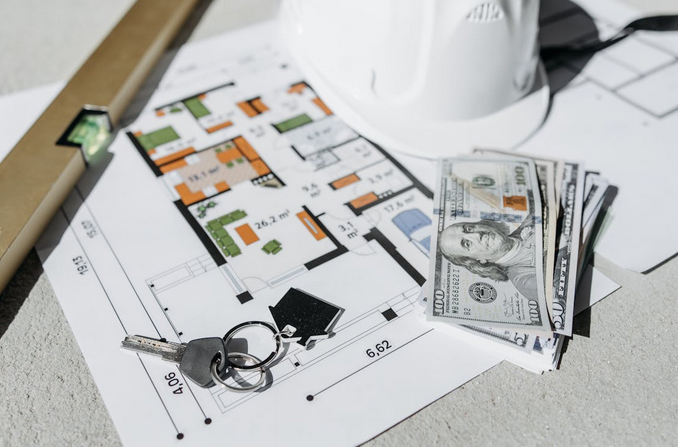
One of the most significant benefits of buying off-plan real estate is the potential for a higher return on investment (ROI). When you purchase a property at the planning stage, you often lock in the price at a lower rate. As construction progresses and the real estate market in the city continues to grow, the property’s value can increase significantly by the time it’s completed. This allows you to sell the property at a profit or benefit from substantial capital appreciation if you decide to hold onto it.
Customizable Living Spaces
Buying off-plan allows you to customize your property to your preferences. Developers often give buyers the option to choose from various finishes, layouts, and design features, allowing you to create a space that suits your tastes and lifestyle. Whether selecting modern fixtures or optimizing the floor plan, off-plan buyers have more control over their future home, ensuring it meets their vision from the start.
Access to Prime Locations
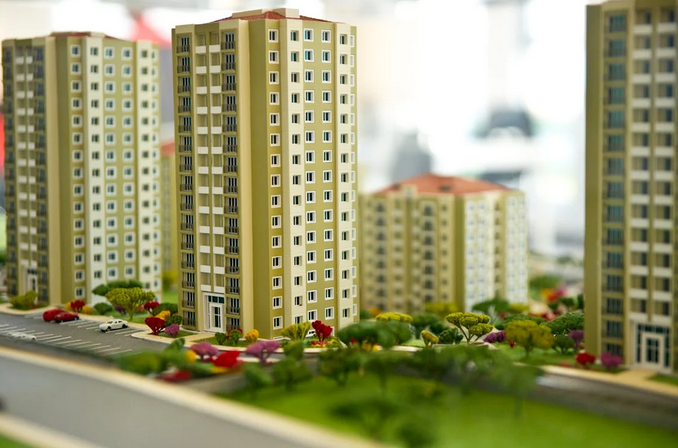
In booming cities, the best real estate locations are often snapped up quickly. Buying off-plan provides early access to prime locations in sought-after areas before they hit the market at higher prices. This is especially advantageous in thriving urban centers with high demand for well-located properties. By securing a spot in a desirable neighborhood, off-plan buyers position themselves ahead of the competition and benefit from the long-term value of owning property in a prime area.
Modern Design and Amenities
Off-plan properties are typically built with the latest architecture, design, and technology trends in mind. Buyers of off-plan real estate can expect contemporary features such as energy-efficient systems, smart home technology, and eco-friendly materials. These modern enhancements make for a more comfortable and sustainable living experience and add long-term value to the property. In constantly evolving cities, having a modern, well-designed home can be a critical factor in attracting future buyers or tenants.
Buying off-plan real estate in a thriving city is a strategic move with numerous benefits, from higher ROI potential to lower initial costs and the opportunity to customize your living space. It also provides early access to prime locations and ensures that your property will boast the latest design and technology, for investors and future homeowners looking to secure a foothold in dynamic urban markets, purchasing off-plan properties can be a rewarding way to maximize financial growth and enjoy the perks of a modern, city-centric lifestyle.
More Details When considering a
  When you own a condo, you’re responsible for maintaining the unit. But you’re also responsible for your share of the common areas. It includes the lobby, hallways, exercise room, and other shared spaces. Before making your purchase, find out who is responsible for what and how much you can expect to pay in monthly fees. It will help you budget for your new home and avoid any surprises down the road.
 Financing a condo differs from financing a single-family home. For one, you’ll need to put down a larger down payment – typically 20%. And, because condos are high-risk investments, the interest rates on your mortgage will probably be higher. So, before you shop for your dream condo, make sure you talk to a lender and get pre-approved for a mortgage. It will help you understand how much you can afford to spend and avoid any financial surprises down the road.


 investment strategy. Ideally, this strategy is mostly used when buying properties that are slightly under market and holding it in anticipation that they will appreciate. As you wait, you might have some tenants live there and help you meet the mortgage costs. This investment strategy is quite common due to its simplicity.
 For those that are not comfortable buying a home or property in their home, a joint venture can help you with this. Ideally, this refers to a partnership with someone that shares the same investment goals. For this investment, it is imperative to have an agreement first to avoid disagreements and provide ways of solving any issue in future.
 The last step to take when buying property involves making an offer. You can do this while still abroad thanks to technological advances that make signing documents and sending them via online platforms a breeze. At times, you might be required to sign the mortgage documents or avoid these altogether with the power of attorney.